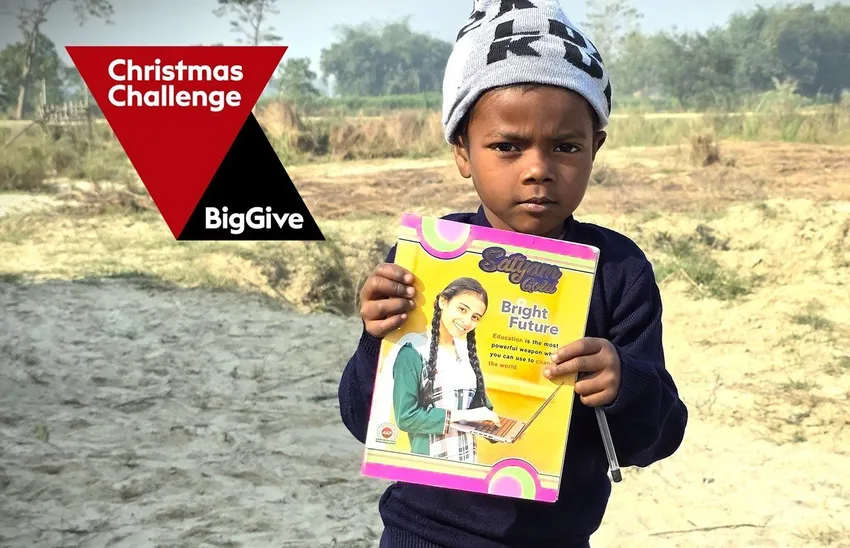
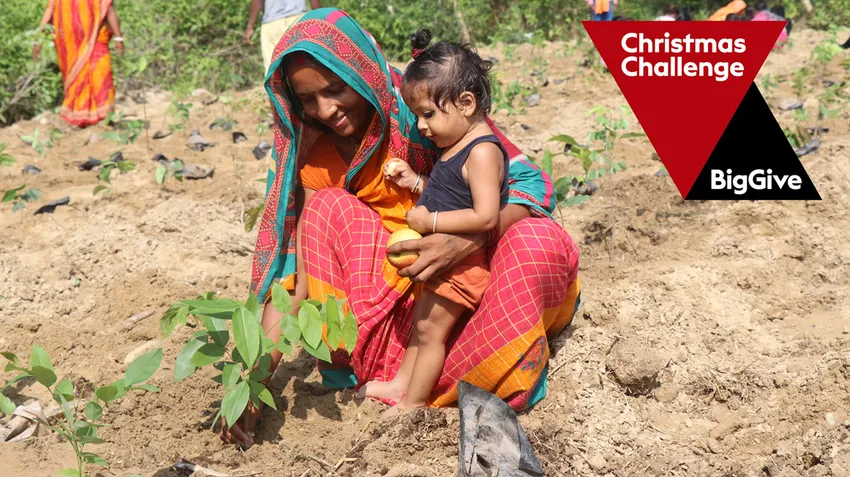
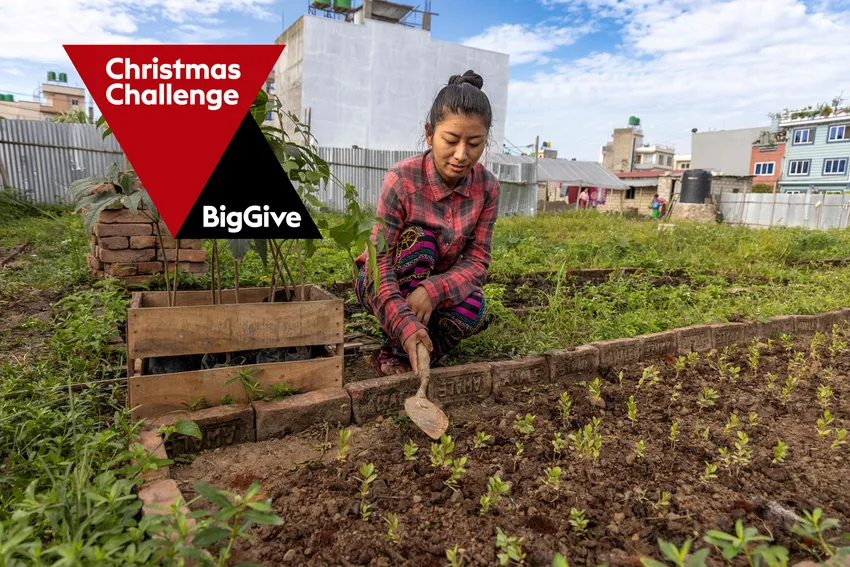
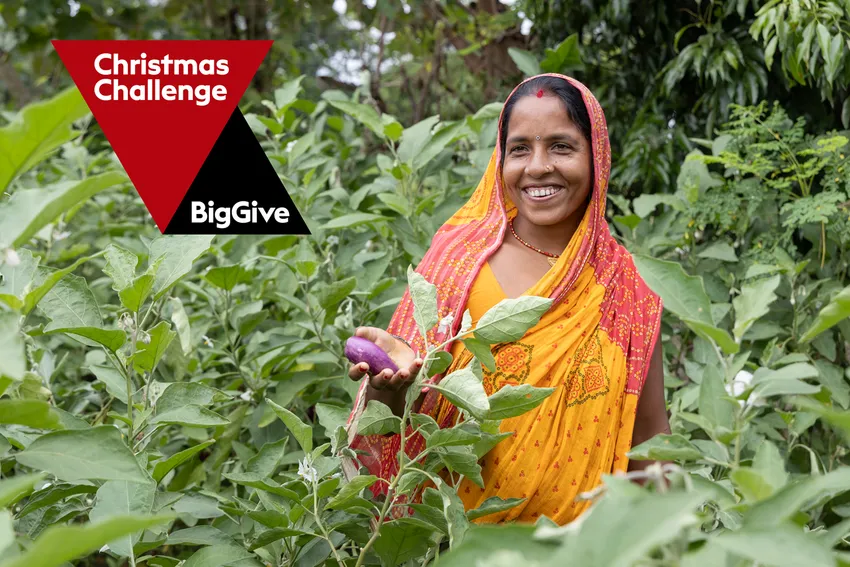
We will plant rapid-growth forests in Kathmandu and in south Nepal that deliver environmental benefits while giving employment and training to vulnerable women. We will expand education to children from the poorest (‘untouchable’) families in south Nepal, including through our annual distribution of warm clothes, shoes and stationery.
Categories
Beneficiaries
1. There has been a loss of biodiversity in Kathmandu valley and south Nepal through habitat loss. Kathmandu has one of the worst air qualities of any world city. 2. Women from poor backgrounds have few employment and training opportunities, especially if they are disabled. Women in south Nepal eke out a miserable living as day labourers in the fields. 3. Children from low-caste families fail to realise their full potential and escape poverty by not joining school or by dropping out early.
We will plant forests using the rapid-growth 'Miyawaki Method' that encourages trees to grow ten times faster than those planted conventionally. In Kathmandu this gives training in arboriculture to young women who are deaf. In south Nepal we train women in agroforestry and fund their agricultural initiatives through microloans. For ‘untouchable’ children, we operate Community Learning Centres (CLCs) that offer entry points to mainstream education and prevent dropout through help with homework and extra tuition.