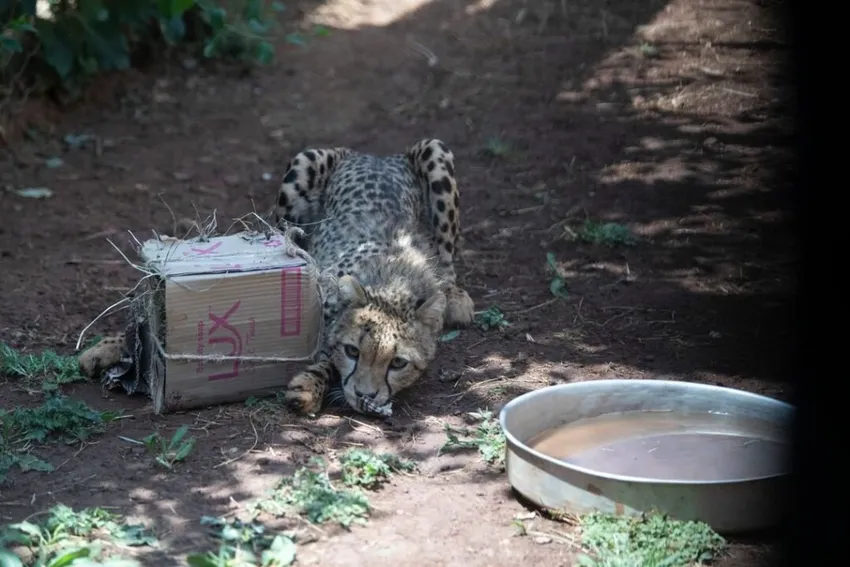
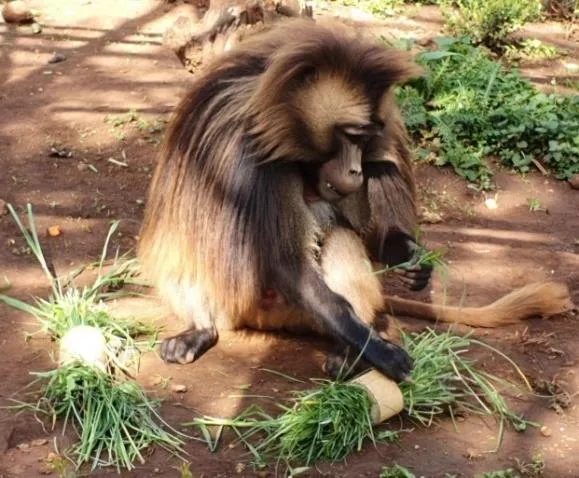
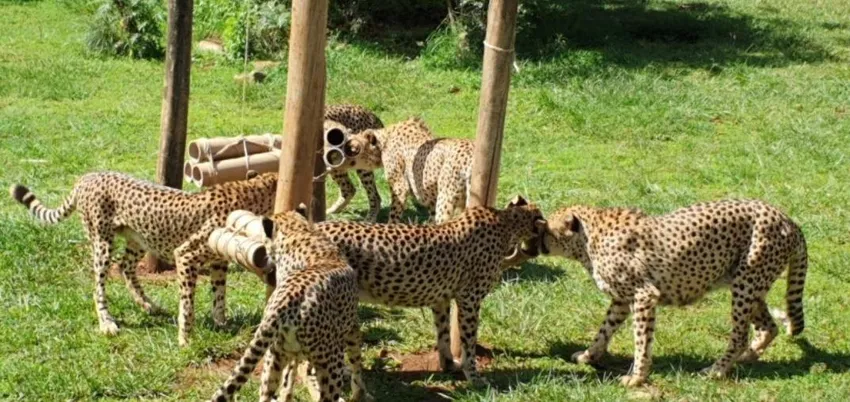
Improving the lives of the many wild animals we've rescued from captivity or the wildlife trade that, sadly, cannot be returned to the wild. Species-specific enrichment reduces boredom, increases their range of natural behaviours and is vital for them to stay active, challenged and stimulated.
Categories
Beneficiaries
In the wild, animals spend up to 80% of their waking time foraging for food in a changing world where they constantly have to adapt to their surroundings. In captivity, they spend far less time foraging (20%) and, as a result, they can become bored & develop abnormal behaviours such as; pacing, rocking, swinging, head twisting, tail sucking, over grooming & self-mutilation. They can show displaced aggression to animals/carers, gain weight from lack of exercise & become lethargic and withdrawn.
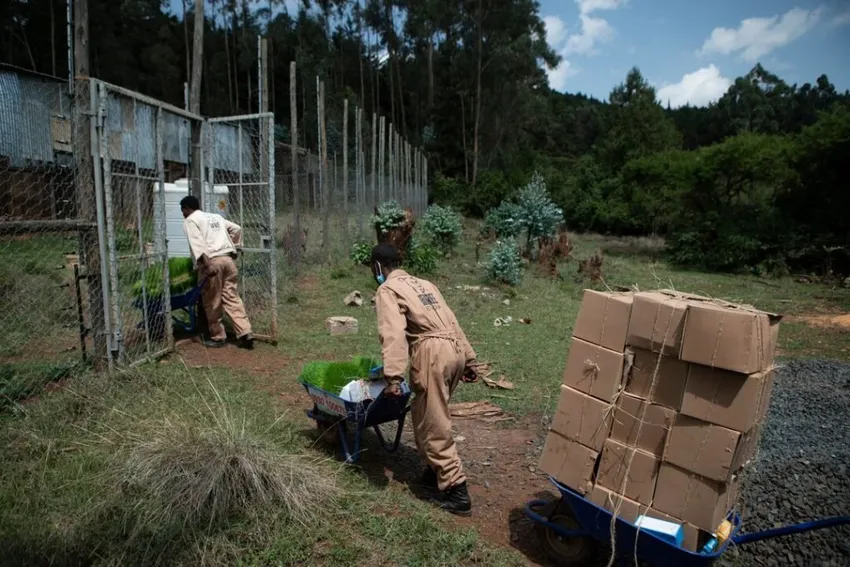
Once the animals are safe in our sanctuaries, deliver an enrichment programme based on the biological needs of each species and the individual requirements of each animal (age, disability, trauma, medical history). Enrichment consists of 5 five aspects: sensory, food, cognitive, environmental & social. Designed to stimulate & engage, new items (natural & artificial objects, scents, new or unusual foods prepared & delivered differently) are delivered on a rolling basis every day over 2 weeks.