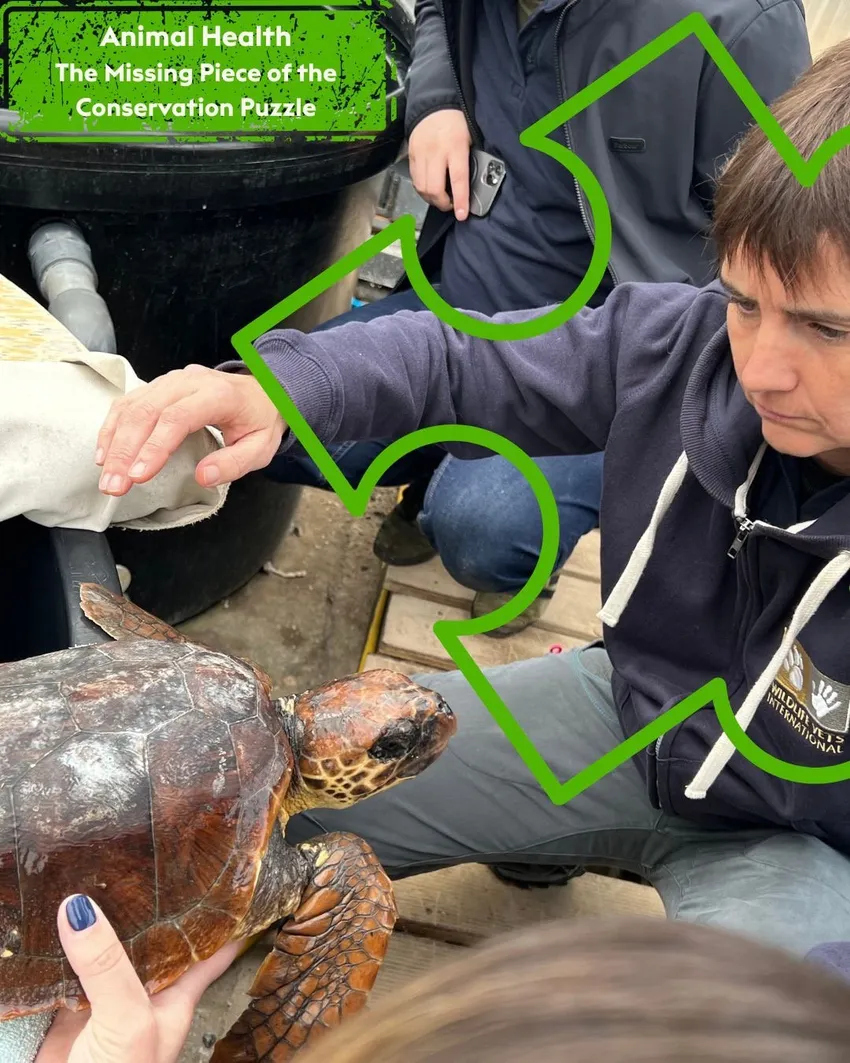
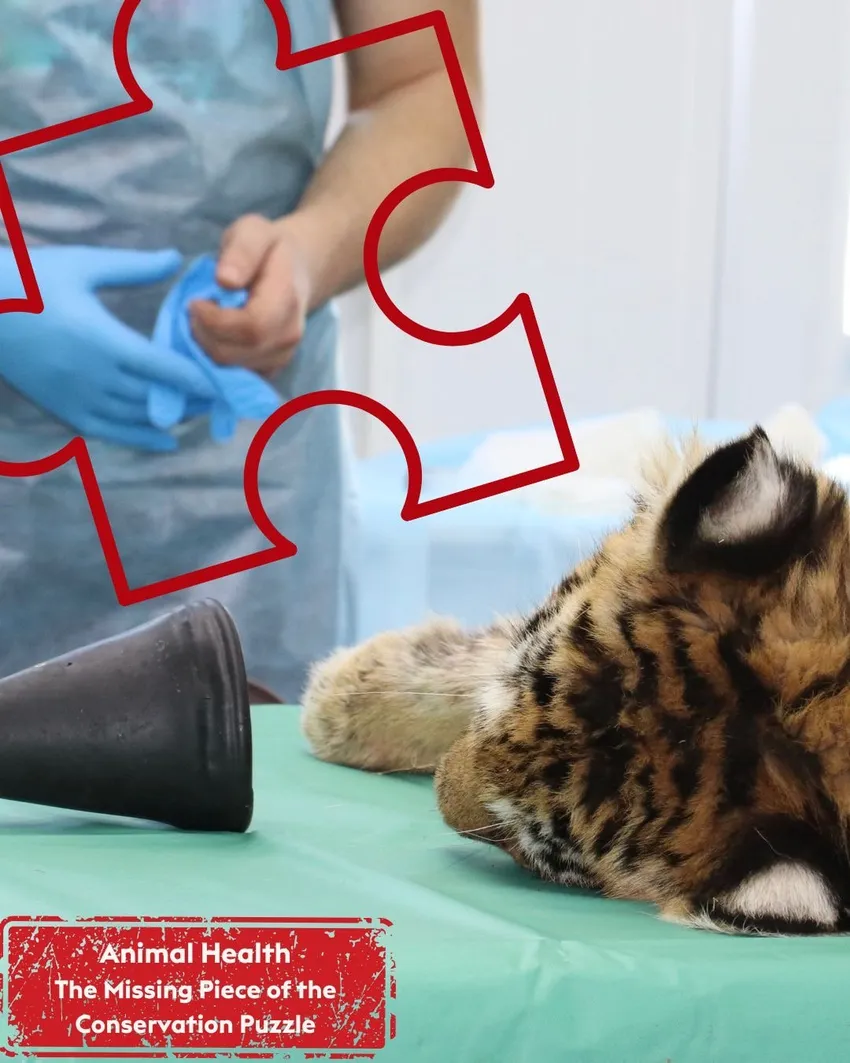
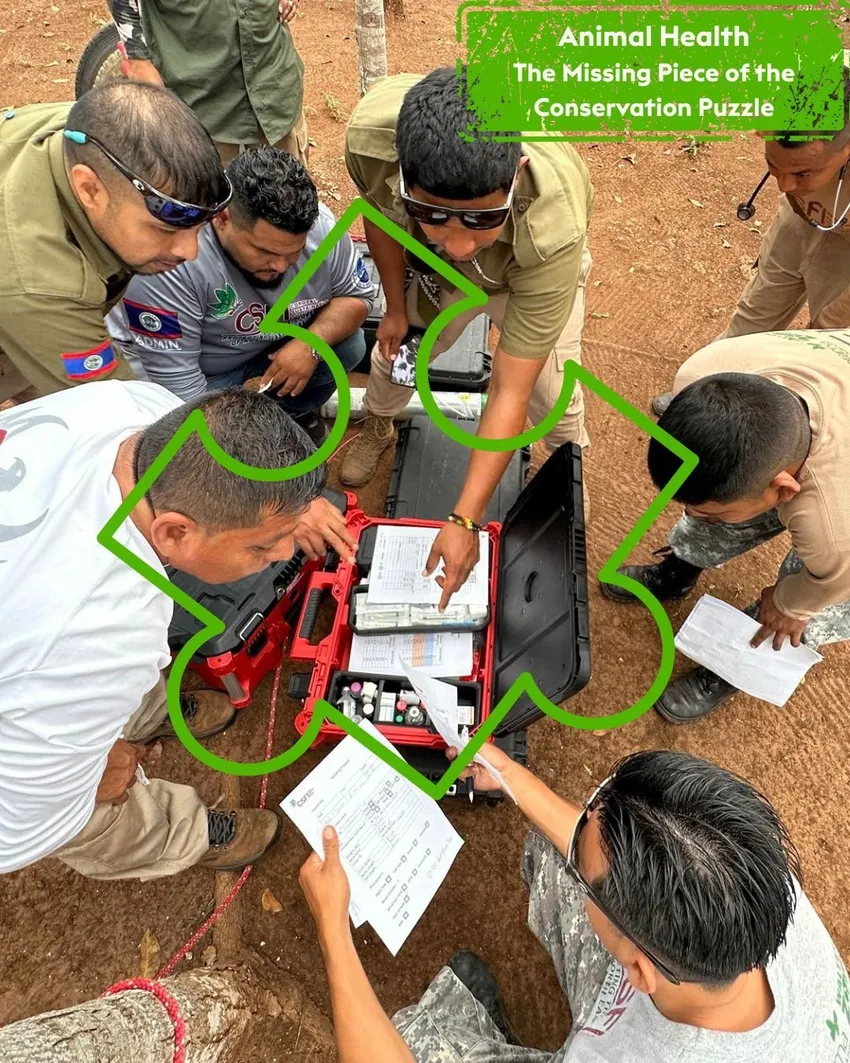
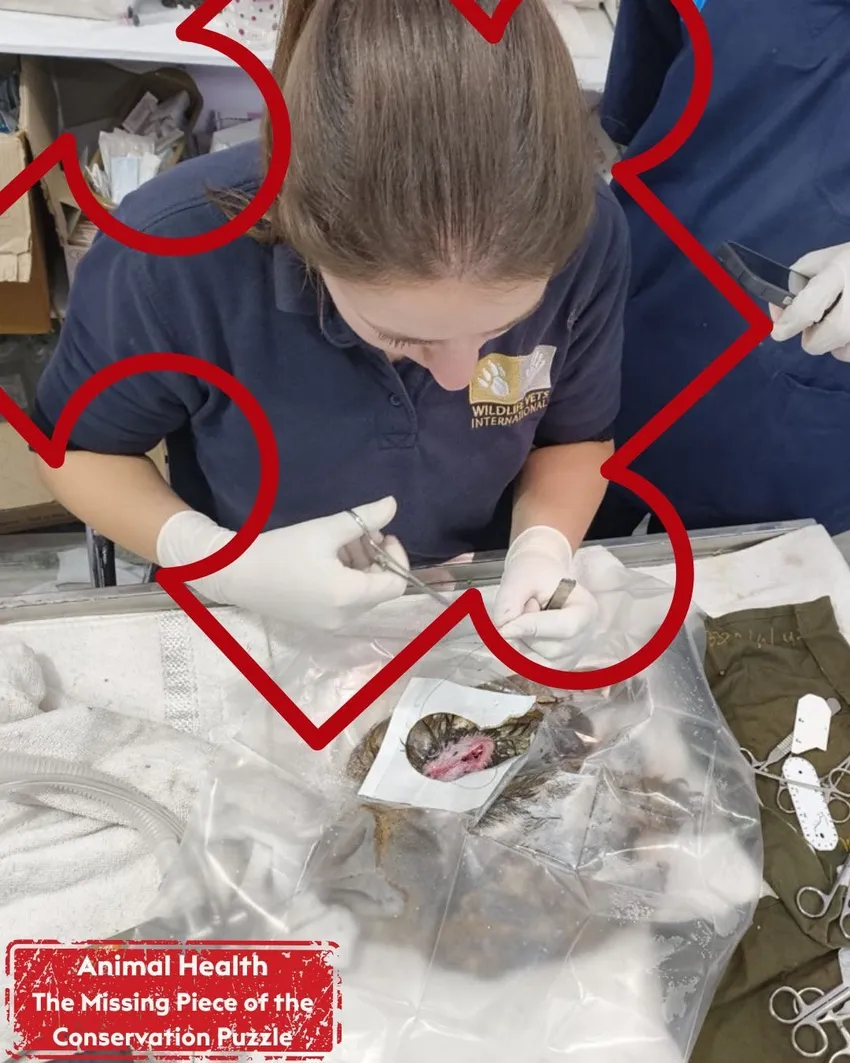
Keeping wildlife healthy is key to saving species. Unexpected disease can derail projects when animal numbers are low, but veterinary expertise often gets missed out of conservation planning. Local vets & rangers urgently need specialist skills in wildlife medicine, but training can be hard to get.
Categories
Beneficiaries
Safeguarding the health of wildlife is critical to saving species. Illness can have terrible consequences for small animal populations. Yet, veterinary medicine is still often missing from conservation plans & specialist training can be difficult to access, especially in regions of high biodiversity but low incomes. Our growing understanding of the links between biodiversity, climate change & the wellbeing of all life highlights the urgent need to get veterinary help to the heart of conservation
WVI makes it possible for local vets, rangers & rehabilitators working with threatened species to access expertise that can make the difference between success & failure of conservation projects. We provide training in how to monitor & respond to disease, treat injured animals, and safely reintroduce species to the wild. We also support the education of talented young wildlife vets who show the potential to advance conservation medicine in places where there is little wildlife health expertise.